
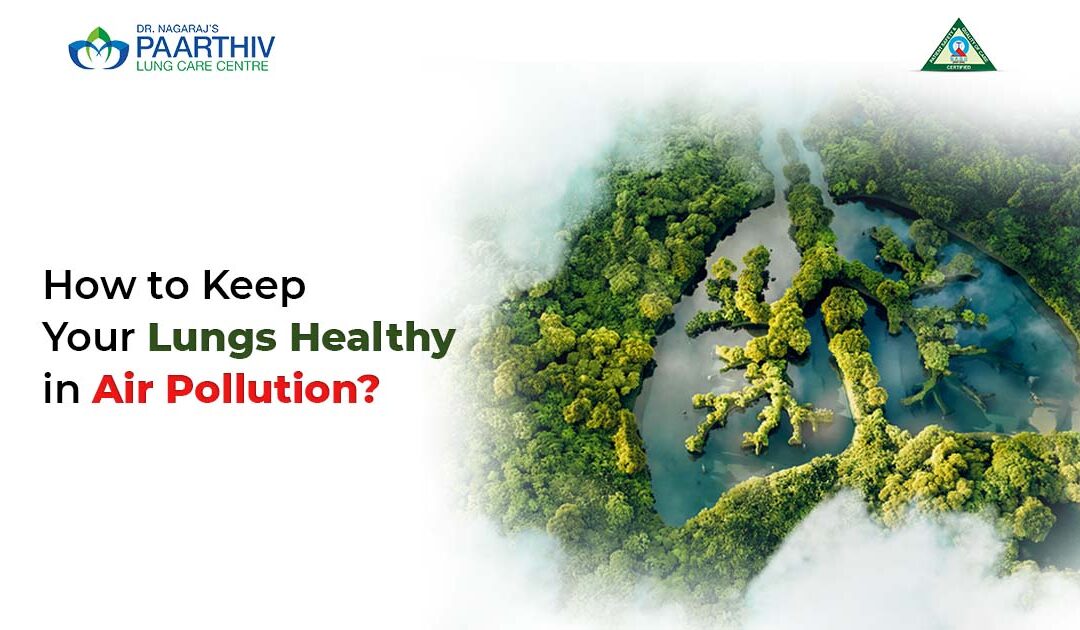
Do you have difficulty breathing in polluted areas? Are you afraid of the poor air quality damaging your lungs? According to a popular study, India experiences severe air pollution, with its capital, Delhi, often topping lists of the world’s most polluted cities, and the country being ranked as the third most polluted globally in 2024.
Based on this study and common knowledge, it is no secret that air pollution is an increasing threat to lung health, especially during high traffic, industrial activity, and seasonal changes. Lung care centers see more patients with coughing, breathlessness, asthma attacks, and chronic conditions like Chronic Obstructive Pulmonary Disease (COPD) when air quality is poor. Understanding the impact of pollution and practicing preventive care is essential for everyone.
What Does Air Pollution Consist Of?
Air pollution is a mix of harmful gases and particles from:
- Vehicle exhaust
- Industrial emissions
- Construction and waste burning
- Household activities like cooking and cleaning
Key pollutants include PM2.5, PM10, nitrogen dioxide, sulfur dioxide, ozone, and carbon monoxide. Fine particles (PM2.5) are particularly dangerous because they reach deep into the lungs, affecting the alveoli where the exchange of oxygen takes place.
How Does Air Pollution Affect the Health of your Lungs?
Both short and long term exposure can cause damage to your lungs.
- Short-term exposure: Coughing, sore throat, chest tightness
- Long-term exposure: Reduced lung function, higher risk of infections, chronic diseases, and lung cancer
The ones that are more prone to get affected are children, the elderly, and individuals with low immunity.
What is the Impact on Chronic Lung Conditions?
The impact of air pollution on chronic lung diseases could be colossal if left untreated and exposed. Even moderate pollution can worsen asthma or chronic obstructive pulmonary disease or COPD:
- Airways become inflamed and produce excess mucus
- Bronchospasms and breathlessness increase
- Infections like pneumonia are more likely
Hospitals see more patients requiring nebulizer therapy, inhalers, oxygen, or admission on days with high-pollution. Those suffering from pulmonary fibrosis or low immunity may face longer recoveries and complications.
How to Protect Your Lungs?
The key to protecting your lungs is minimizing exposure. With minimal steps everyday, you could make your lungs stronger and healthier. You could:
- Monitor air quality: Use apps or websites daily
- Limit outdoor activity: Especially during peak pollution times
- Wear protective masks: N95 or similar respirators
- Improve indoor air: Keep windows closed and run air purifiers
- Avoid indoor pollutants: No smoking, open flames, or burning waste
- Stay hydrated & exercise carefully: Breathing exercises can help open airways
- Consult your doctor: Adjust inhalers or medications during polluted periods
Air pollution affects lungs in both the short and long term, but prevention and care can make a difference. By combining personal habits, medical guidance, and community advocacy, you could make all the difference in protecting your respiratory health even in polluted environments. Talk to a healthcare professional for taking better care of your lungs starting today.